



M.Sc,; Psih. Eusebiu Jean TIHAN[1], M.Sc,, Psih.Laura Mihaela TIHAN[2]
eusebiu.tihan@gmail.com
[1] Academy of Scientists – Romania, https://orcid.org/0009-0008-8316-3679
[2] Tihan și Asociații, https://orcid.org/0009-0003-1820-1417
Abstract
Ragweed allergy (Ambrosia artemisiifolia) is predominantly addressed in the specialist literature as an IgE-mediated condition with a well-defined immunopathological mechanism. This article proposes a complementary interpretation, integrating the concept of embodied vulnerability — the process by which chronic conditions of material deprivation, stress and environmental degradation become embedded in biology and in the psyche — into an analysis of ragweed allergy as a psychoneuroimmunological and anthropological phenomenon. The central thesis is that ragweed allergy is not merely a reaction to pollen, but an embodiment of a degraded environment and a psychological reaction to unresolved psychological baggage. Four converging strands are analysed: (1) the psycho-socio-economic factors leading to a decline in the population’s immunity against a backdrop of impoverishment; (2) the psychological-anthropological dimension of the disease as a cultural language; (3) the psychoanalytic meanings of fear, invasion and the body that ‘speaks’; (4) the educational policies required to raise awareness of the risks. Methodologically, the article conducts a cross-analytical review of the specialist literature, integrating epidemiological data, psychoneuroimmunological mechanisms and anthropological interpretations. The conclusion emphasises the need for an integrated approach that goes beyond the strictly biomedical model and recognises the social and psychological dimensions of allergic suffering.
Keywords: ragweed allergy, embodied vulnerability, psychoneuroimmunology, psychological anthropology, psychoanalysis, educational policies
Vulnerabilitatea Încorporată și Alergia la Ambrozie – O Analiză Psihoneuroimunologică și Antropologică a unei Crize de Sănătate Publică în România
Rezumat
Alergia la ambrozie (Ambrosia artemisiifolia) este abordată în literatura de specialitate predominant ca o afecțiune IgE-mediată, cu un mecanism imunopatologic bine definit. Prezentul articol propune o lectură complementară, integrând conceptul de vulnerabilitate încorporată — procesul prin care condițiile cronice de insuficiență materială, stres și degradare a mediului se încorporează în biologie și în psihic — într-o analiză a alergiei la ambrozie ca fenomen psihoneuroimunologic și antropologic. Teza centrală este că alergia la ambrozie nu este doar o reacție la polen, ci o încorporare a unui mediu degradat și o reacție psihologică la un bagaj nedezvăluit. Sunt analizate patru fire convergente: (1) factorii psiho-socio-economici care conduc la scăderea imunității populației pe fondul pauperizării; (2) dimensiunea de antropologie psihologică a bolii ca limbaj cultural; (3) semnificațiile psihanalitice ale fricii, invaziei și corpului care „vorbește”; (4) politicile educaționale necesare pentru conștientizarea riscurilor. Metodologic, articolul realizează o analiză încrucișată a literaturii de specialitate, integrând date epidemiologice, mecanisme psihoneuroimunologice și interpretări antropologice. Concluzia subliniază necesitatea unei abordări integrate, care să depășească modelul biomedical strict și să recunoască dimensiunea socială și psihologică a suferinței alergice.
Cuvinte-cheie: alergie la ambrozie, vulnerabilitate încorporată, psihoneuroimunologie, antropologie psihologică, psihanaliză, politici educaționale
CUNOAȘTEREA ȘTIINȚIFICĂ, Volumul 5, Numărul 4, Decembrie 2026, pp. xxx
ISSN 2821 – 8086, ISSN – L 2821 – 8086, DOI: 10.58679/CS20343
URL: https://www.cunoasterea.ro/en/inherent-vulnerability-and-ragweed-allergy/
© 2026 Laura Mihaela TIHAN, Eusebiu Jean TIHAN. Responsabilitatea conținutului, interpretărilor și opiniilor exprimate revine exclusiv autorilor.
Licența CC BY 4.0
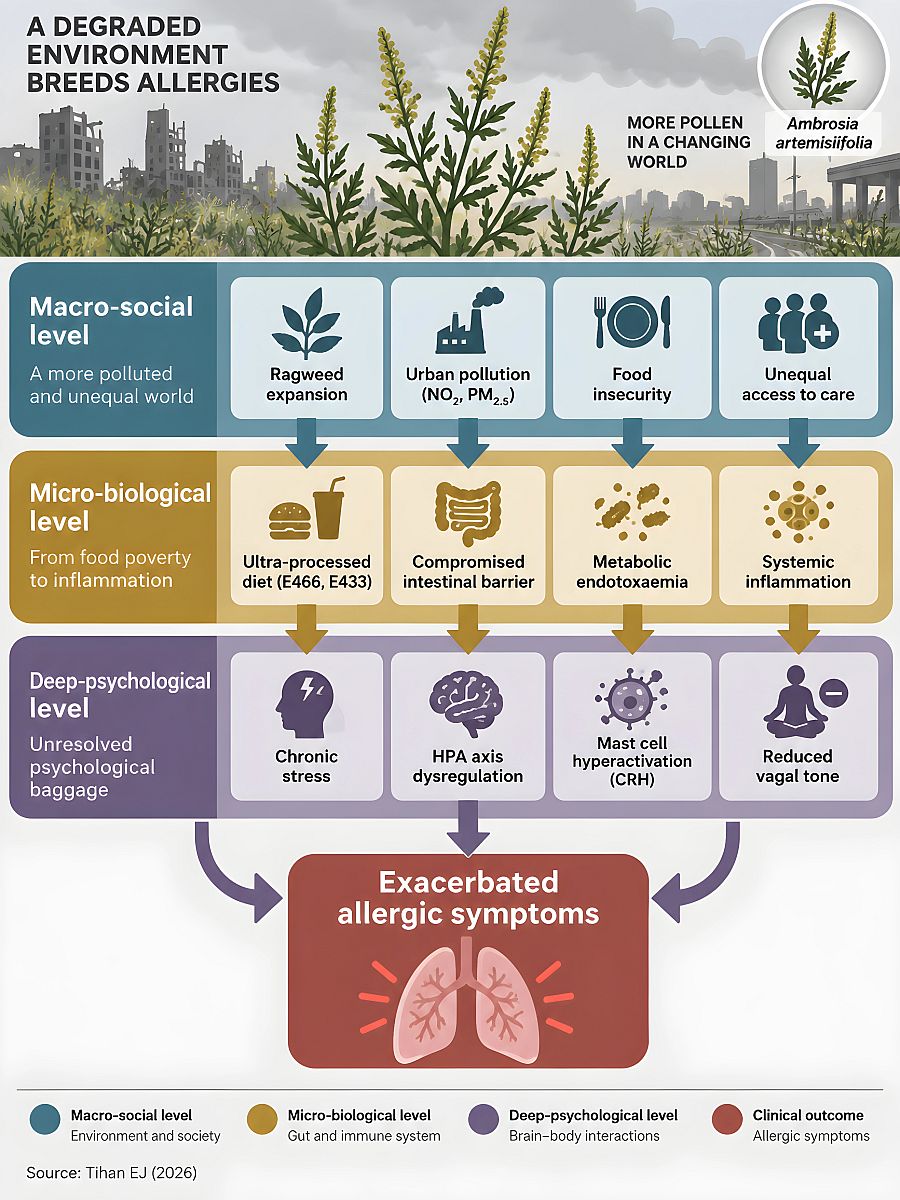
1. INTRODUCTION: RAGWEED AS A SYMPTOM OF A WIDER CRISIS
1.1. An invasive plant, a public health problem
Ambrosia artemisiifolia is an annual herbaceous plant native to North America, accidentally introduced into Europe at the end of the nineteenth century through grain transports.[3] In Romania, the first official mention of the plant dates from 1910, at Orșova, and since then its expansion has been continuous and accelerated. Its high ecological plasticity, its capacity to colonise disturbed soils — wastelands, roadsides, abandoned construction sites — and its massive pollen production have transformed it into one of the most problematic invasive species on the continent. A single mature specimen can release into the atmosphere up to one billion pollen grains in a single season, and the microscopic particles can be transported by air currents over distances of several hundred kilometres, crossing national borders and turning the problem into a European ecological challenge.
In Romania, ragweed has become one of the main environmental and public health problems in urban areas during the warm season. Its geographical distribution is uneven: Banat and Crișana, together with parts of Hungary and Serbia, form the largest ragweed hotspot in Europe, and counties such as Timiș, Arad and Bihor frequently record pollen concentrations that exceed the thresholds considered ‘very dangerous’ according to European standards. Aerobiological monitoring in Timișoara has recorded daily values of up to 468 PG/m³ for Ambrosia, with a seasonal peak of 558 PG/m³, confirming that ragweed pollen is the main aerobiological pollutant of the region.
The pollen season begins in July, peaks in August–September and declines in October. Urban pollution acts as an amplifying factor: diesel particles and photochemical oxidants modify the structure of pollen, increasing its allergenicity through nitration and oxidation. The prevalence of ragweed allergy in the general population of Romania is estimated at 10–15% nationally, with significantly higher values in the west of the country, where sensitisation can reach 25–30% (Mihăljan et al., 2022).
1.2. Beyond the biomedical model: the thesis of the article
The specialist literature predominantly addresses ragweed allergy as an IgE-mediated condition with a well-defined immunopathological mechanism: primary sensitisation, production of specific IgE, binding of these to mast cells and basophils, degranulation upon re-exposure and release of histamine and other inflammatory mediators (Gould & Sutton, 2008; Holgate et al., 2019). This model explains the biological mechanism of the reaction, but does not explain why some individuals develop severe forms of the disease, while others, with the same exposure to pollen, remain asymptomatic or present mild forms.
The present article proposes a complementary reading, integrating the concept of embodied vulnerability — the process by which chronic conditions of material deprivation, stress and environmental degradation become embedded in biology and in the psyche, through identifiable physiological and psychological mechanisms — into an analysis of ragweed allergy as a psychoneuroimmunological and anthropological phenomenon. The central thesis of the article is that ragweed allergy is not merely a reaction to pollen, but an embodiment of a degraded environment and a psychological reaction to unresolved psychological baggage. In other words, pollen is the triggering factor, but the body that reacts is a body already made vulnerable by poverty, poor nutrition, chronic stress and lack of access to care.
This perspective does not contradict the biomedical model, but completes it. It acknowledges that allergy is a real condition with a demonstrable physiological substrate, but maintains that its severity and impact on the patient’s life cannot be explained exclusively by the concentration of pollen in the air. Social, economic and psychological factors modulate not only exposure, but also the body’s capacity to respond to exposure.
1.3. Structure of the article
The article is structured in seven sections. Section 2 develops the theoretical framework of embodied vulnerability as a reading grid for ragweed allergy. Section 3 analyses the psycho-socio-economic factors that lead to a decline in population immunity against a backdrop of impoverishment. Section 4 explores the dimension of psychological anthropology of the disease as a cultural language. Section 5 addresses the psychoanalytic meanings of fear, invasion and the body that ‘speaks’. Section 6 proposes educational policies for raising awareness of the risks. Section 7 synthesises the conclusions and outlines the anthropological horizons of future research.
1.4. Methodology of the cross-analysis
The methodological approach of this article is one of critical narrative synthesis, not primary empirical research. We conducted a cross-analytical review of the literature from three converging fields — psychoneuroimmunology, medical anthropology and psychoanalysis — integrating epidemiological data on ragweed allergy in Romania with experimentally demonstrated physiological mechanisms and hermeneutic interpretations of the experience of illness.
The criteria for the selection of the literature were:
(1) relevance to the psychoneuroimmunological mechanisms of allergy;
(2) the peer-reviewed character of the publications;
(3) the accessibility and verifiability of the sources;
(4) disciplinary diversity, in order to ensure a genuinely integrative perspective.
We consulted databases such as PubMed, Scopus, Web of Science and Google Scholar, as well as institutional reports of the National Institute of Public Health (INSP) and the National Meteorological Administration (ANM).
The limits of the approach are explicitly acknowledged: the absence of Romanian longitudinal studies correlating socio-economic factors with the severity of ragweed allergy; the methodological variability of the included studies; and the interpretive character of the anthropological and psychoanalytic sections, which do not have the status of experimental evidence, but of hermeneutic hypotheses subject to academic debate.
2. THEORETICAL FRAMEWORK: EMBODIED VULNERABILITY AS A READING GRID
2.1. Defining the concept
The concept of embodied vulnerability² designates the process by which chronic conditions of material deprivation, stress and environmental degradation become embedded in biology and in the psyche, through identifiable physiological and psychological mechanisms. This concept rests on three bodies of scientific literature which, although they come from different disciplinary traditions, converge on the same idea: the body is not a passive recipient, but an active system that records and expresses the conditions of its existence.
Psychoneuroimmunology demonstrates that the nervous, endocrine and immune systems communicate bidirectionally, and that psychological states influence the immune response (Ader et al., 2001; Dantzer et al., 2020). Chronic stress activates the hypothalamic–pituitary–adrenal (HPA) axis and the sympathetic nervous system, disrupting cortisol secretion and favouring a pro-inflammatory cytokine profile (Segerstrom & Miller, 2004; Marshall et al., 2021). This literature provides the physiological mechanism by which social experiences are translated into biology.
Research on the microbiome–gut–brain axis shows that a diet based on ultra-processed foods compromises the intestinal barrier, increases metabolic endotoxaemia and maintains a systemic inflammatory background (Cryan et al., 2019). Industrial emulsifiers (E466, E433) degrade intestinal mucus and favour bacterial translocation, with consequences for the systemic immune response (Chassaing et al., 2015). This literature provides the mechanism by which food poverty becomes embedded in inflammation.
Medical anthropology shows that illness is never merely biology; it is a cultural language through which the body expresses social suffering (Kleinman, 1988; Csordas, 1994). In contexts of precarity, illness becomes a form of somatic ‘resistance’ to unbearable living conditions. This literature provides the hermeneutic horizon in which the symptom acquires meaning.
2.2. Applying the concept to ragweed allergy
Applying the concept of embodied vulnerability[4] to ragweed allergy allows a reinterpretation of the disease that goes beyond the strictly biomedical model. Ragweed allergy can be understood as a somatic result of the interaction between three levels of vulnerability:
The macro-social level: environmental degradation (expansion of the invasive plant, urban pollution) and impoverishment of the population (food insecurity, lack of access to medical care) create the conditions for increased exposure to pollen and a reduced capacity for therapeutic response. The data on access to care in Romania are relevant here: approximately 11% of the population was uninsured in 2024, and 6% of Romanians with medical care needs reported unmet needs due to costs, distance or waiting times, with a difference of almost four times between people at risk of poverty and the others.
The micro-biological level: a diet based on ultra-processed foods — the only one financially accessible to vulnerable categories — compromises the intestinal barrier, increases metabolic endotoxaemia and maintains a systemic inflammatory background that amplifies the allergic response to pollen (Cryan et al., 2019; Chassaing et al., 2015). In Romania, food insecurity has become an increasingly pressing problem: a recent study shows that 56% of respondents were forced to skip meals, eat less or purchase cheap food, and seven out of ten Romanians consider that the situation has worsened in the last 3–5 years.
The deep-psychological level: the chronic stress of precarity and diffuse anxiety about the future disrupt the HPA axis and reduce vagal tone, creating a pro-inflammatory background that lowers the symptomatic threshold and intensifies the subjective perception of symptoms (Segerstrom & Miller, 2004; Theoharides et al., 2012; Thayer & Sternberg, 2006). A recent study shows that approximately 75% of Romanians say that money worries have affected their mental health in the last month.
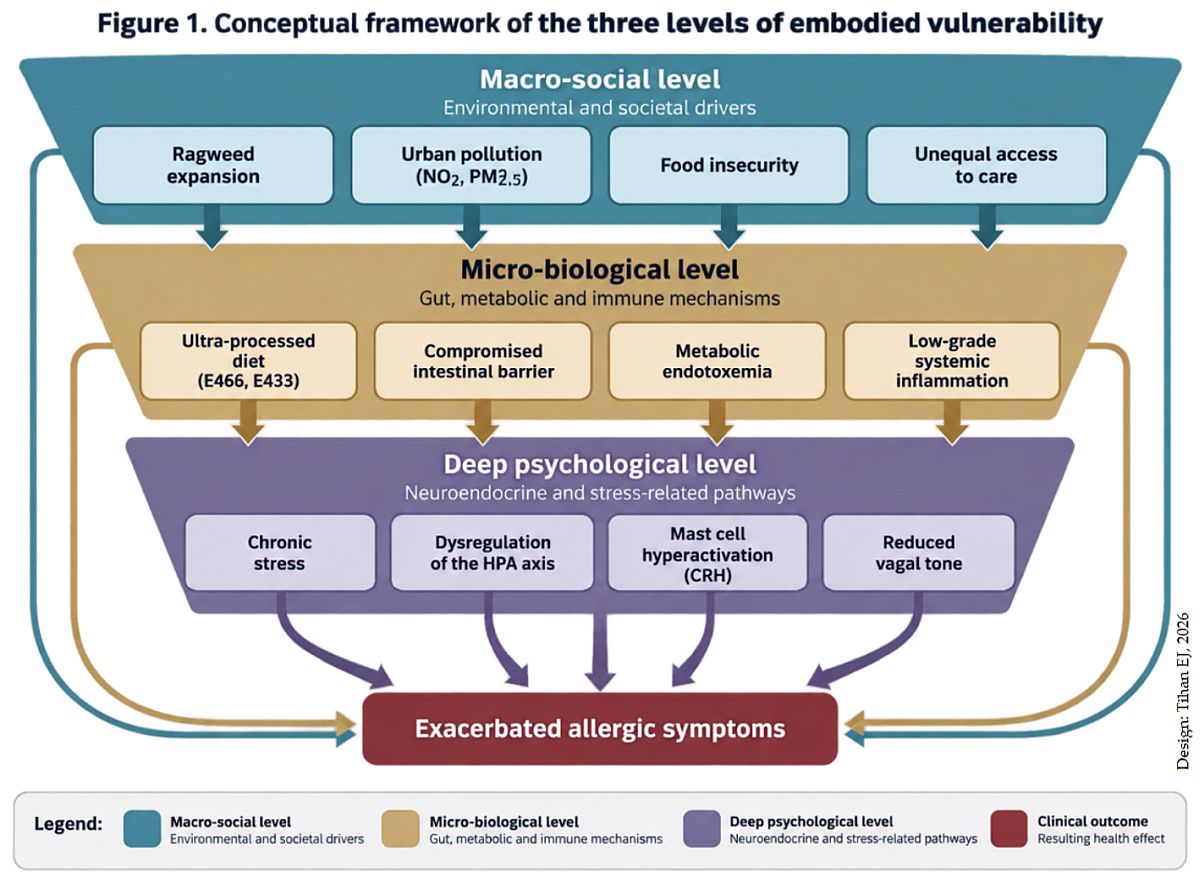
Figure 1. The three-level model of embodied vulnerability in ragweed allergy.
To visualize how the three levels of vulnerability converge on allergic symptomatology, the figure below synthesizes the theoretical model developed in this section.
The macro-social level creates the conditions of exposure; the micro-biological level translates food poverty into inflammation; the deep-psychological level amplifies the perception and severity of symptoms. Source: author’s elaboration based on the cited literature (Chassaing et al., 2015; Cryan et al., 2019; Segerstrom & Miller, 2004; Theoharides et al., 2012). (Design: Tihan EJ, 2026)
The figure illustrates the central thesis of the article: pollen is the triggering factor, but the body that reacts is a body already made vulnerable at all three levels.
2.3. Epistemological consequences: overcoming the mind–body dualism
Adopting the concept of embodied vulnerability implies a clear epistemological positioning: overcoming the mind–body dualism that has dominated Western medicine. The body is not a passive recipient of external factors, but an active system of embodiment of the social and material environment. This positioning is consonant with recent developments in psychoneuroimmunology, which demonstrate that the nervous, endocrine and immune systems communicate bidirectionally, and that psychological states influence the immune response (Ader et al., 2001; Dantzer et al., 2020).
In this framework, ragweed allergy is neither ‘merely biological’ nor ‘merely psychological’, but a biosocial phenomenon — a result of the interaction between a degraded environment, a vulnerable body and a psyche in a state of chronic alert. This positioning allows the integration of epidemiological data, immunological mechanisms and anthropological and psychoanalytic interpretations into a coherent framework, without reducing one level to another.
2.4. Necessary delimitations
Adopting this framework also requires clear delimitations, in order to avoid pseudo-scientific drifts. Firstly, the concept of embodied vulnerability does not maintain that poverty ’causes’ allergy in the strict aetiological sense; it maintains that poverty creates the conditions for increased vulnerability and greater severity of symptoms. Secondly, psychoanalytic interpretations do not replace physiological explanations; they offer a hermeneutic of suffering, not an aetiology. Thirdly, complementary approaches (psychodrama, neuro-vagal regulation techniques) do not substitute for scientifically validated treatments (immunotherapy, pharmacotherapy), but complement them. Fourthly, a clear distinction is necessary between causality and amplification: stress does not produce allergy, but makes it more severe and more difficult to manage.
These delimitations are essential for maintaining scientific rigour and for avoiding the confusions that have affected debates about health in the Romanian public sphere.
In order to avoid the frequent confusions between causal explanation and hermeneutic interpretation, the following table clarifies the epistemological status of each level of analysis addressed in this article.
Table 1. Levels of analysis and their epistemological status in the study of ragweed allergy (Design: Tihan EJ, 2026)
| Level of analysis | Object of study | Method | Epistemological status | What it explains / What it does not explain |
| Biological | Immunological mechanisms (IgE, mast cells, histamine) | Laboratory experiments, clinical studies | Empirical evidence | Explains the mechanism of the reaction; does not explain subjective severity |
| Psychological | Chronic stress, anxiety, hypervigilance | Psychoneuroimmunological studies, validated scales | Correlational empirical evidence | Explains the amplification of symptoms; does not explain the aetiology of allergy |
| Anthropological | Illness as cultural language, the body as text |
Ethnographic observation, interviews | Hermeneutic interpretation | Explains the meaning of illness for the patient; has no causal value |
| Psychoanalytic | Fear, invasion, bodily boundaries | Clinical interpretation, case studies | Hermeneutic hypothesis | Explains subjective experience; does not replace medical treatment |
This distinction is essential for maintaining scientific rigour: each level of analysis has its own legitimacy, but none can be reduced to another or used to contradict the empirical evidence of the other.
3. PSYCHO-SOCIO-ECONOMIC FACTORS: HOW POPULATION IMMUNITY DECLINES
3.1. Food insecurity as a factor of immunological vulnerability
Food insecurity — defined as limited or uncertain access to sufficient and nutritious food — has become an increasingly acute problem in Romania in recent years. A recent study conducted on a sample of 1,007 respondents shows that 56% of Romanians were forced to skip meals, eat less or purchase cheap food because of lack of money, and six out of ten respondents feared in the last 12 months that they would no longer have enough money for food. Almost 80% declare that they are forced to frequently search for promotions in order to afford their basic purchases.
This reality has direct consequences for the composition of the diet. When the budget is limited, food choices are oriented towards products with high caloric density and low cost — ultra-processed foods, rich in sugar, saturated fats and industrial additives. These choices are not the result of ‘ignorance’ or a ‘lack of will’, but of a constraining economic rationality: under conditions of scarcity, nutritional quality becomes a luxury.
Research on the microbiome–gut–brain axis shows that a diet based on ultra-processed foods compromises the intestinal barrier through several mechanisms: reduction of microbial diversity, increase of intestinal permeability and activation of the systemic immune response (Cryan et al., 2019). Industrial emulsifiers, such as carboxymethylcellulose (E466) and polysorbate 80 (E433), have been implicated in the degradation of intestinal mucus and in favouring bacterial translocation, with systemic inflammatory consequences (Chassaing et al., 2015). This chronic inflammatory background lowers the activation threshold of mast cells and amplifies the response to allergens, including ragweed pollen.
Another relevant aspect is the reduced dietary diversity among vulnerable populations. Nutrition studies show that people with low incomes tend to consume a limited number of staple foods, with a reduced variety of vegetables, fruit and fibre. This dietary monotony reduces the diversity of the intestinal microbiota, which has direct consequences for immune function. The intestinal microbiota plays an essential role in educating the immune system and in maintaining immunological tolerance; reduced diversity is associated with an increased risk of inflammatory and allergic diseases (Cryan et al., 2019).
3.2. The chronic stress of precarity: the HPA axis and vagal tone
Beyond poor diet, the chronic stress of economic precarity acts directly on the immune system. Psychoneuroimmunology has demonstrated that chronic stress persistently activates the HPA axis and the sympathetic nervous system, with long-term consequences for the cytokine balance (Segerstrom & Miller, 2004). Under conditions of prolonged stress, the cytokine profile shifts from Th1 towards Th2, favouring the allergic response and reducing the body’s capacity to control inflammation (Marshall et al., 2021).
A specific mechanism relevant to ragweed allergy is CRH-mediated mast cell hyperactivation. Research has demonstrated that corticotropin-releasing hormone (CRH), secreted under conditions of stress, can directly activate mast cells in the nasal mucosa, determining degranulation and the release of pro-inflammatory mediators even in the absence of a strong allergenic signal. In a study on human nasal mucosa, CRH stimulation significantly increased the number of mast cells and stimulated their degranulation and proliferation, effects attenuated by CRH-R1 receptor antagonists. This mechanism explains why people in a state of chronic stress can present allergic symptoms exacerbated by minimal exposure to pollen.
A third mechanism is the reduction of vagal tone. The vagus nerve exerts an essential anti-inflammatory function through the cholinergic anti-inflammatory pathway: vagal stimulation determines the release of acetylcholine, which inhibits the production of pro-inflammatory cytokines (Pavlov & Tracey, 2012). Chronic stress and anxiety are associated with a reduction in vagal tone, measured through heart rate variability (Thayer & Sternberg, 2006). The loss of this natural ‘brake’ creates a pro-inflammatory background that prepares the ground for a more severe allergic reaction.
3.3. Anticipatory anxiety and somato-sensory hypervigilance
Beyond physiological mechanisms, cognitive factors play a crucial role in amplifying symptomatology. People with high anxiety develop a hypervigilance towards bodily sensations: a slight nasal congestion or a sensation of thoracic constriction, which would go unnoticed by others, becomes threatening and triggers the spiral of anxiety.
This hypervigilance leads to a sensory amplification, where the perceived intensity of the symptom exceeds its objective pathophysiological significance.
A vicious circle is thus created: symptom → fear → neuro-immune amplification → more severe symptom → more fear (Marshall et al., 2021). This circle explains why patients with anxiety disorders often report a burden of allergic symptoms disproportionately large relative to the objective level of pollen and a lower quality of life. In severe cases, allergic respiratory symptoms (thoracic oppression, sensation of suffocation) can function as a trigger for panic attacks, overlapping two conditions and complicating the therapeutic management of both.
3.4. Unequal access to medical care
A structural factor that amplifies embodied vulnerability is unequal access to medical care. Data on the Romanian health system show that approximately 11% of the population was uninsured in 2024, and uninsured persons can benefit only from a minimum package of services, which does not cover medicines prescribed in ambulatory care, other laboratory tests and imaging services. Unmet medical needs due to costs, distance or waiting times affect 6% of the population, with a difference of almost four times between people at risk of poverty (15%) and the others (4%).
For patients with ragweed allergy, this unequal access translates into late diagnosis, suboptimal treatment and the impossibility of accessing immunotherapy — the only disease-modifying treatment. Allergen-specific immunotherapy (SCIT or SLIT) is available in centres in Bucharest, Cluj, Timișoara, Iași, Constanța, Brașov, Sibiu and Oradea, but costs remain significant for vulnerable categories. In the absence of access to background treatment, patients resort to antihistamines and nasal corticosteroids, which control symptoms but do not modify the evolution of the disease.
3.5. Geographical distribution of vulnerability: the overlap of poverty with endemic areas
A crucial aspect for understanding embodied vulnerability in the Romanian context is the geographical overlap between areas with high ecological risk for ragweed and areas with increased socio-economic vulnerability. Banat and Crișana — the European epicentre of ragweed — partially overlap with counties that record problematic socio-economic indicators: high rates of poverty, unemployment, demographic ageing and limited access to specialised medical services.
This overlap creates what we may call double vulnerability: populations in these regions are simultaneously exposed to high concentrations of pollen and to socio-economic conditions that reduce their capacity to cope with the disease. They have neither the financial resources to access modern treatments (immunotherapy, HEPA air purifiers, allergology consultations), nor the health education necessary to understand and manage the disease.
This double vulnerability is not a coincidence. It is the result of historical and economic processes that have transformed the western regions into post-industrial transition zones, with abandoned land and degraded infrastructure — ideal habitats for ragweed. The invasive plant thrives precisely in those environments that decades of deindustrialisation and underinvestment have created. Thus, the expansion of ragweed and the impoverishment of the population are two sides of the same coin: environmental degradation and social degradation feed each other.
3.6. Consequences for population immunity: a synthesis
To synthesise, psycho-socio-economic factors act on population immunity through at least four converging pathways:
The nutritional pathway: a diet based on ultra-processed foods, the only one financially accessible to vulnerable categories, compromises the intestinal barrier and maintains a systemic inflammatory background (Chassaing et al., 2015; Cryan et al., 2019).
The neuroendocrine pathway: the chronic stress of precarity disrupts the HPA axis, favours the Th2 cytokine profile and hyperactivates mast cells through CRH (Segerstrom & Miller, 2004; Theoharides et al., 2012).
The neurovegetative pathway: the reduction of vagal tone reduces the body’s anti-inflammatory capacity and creates a pro-inflammatory background (Pavlov & Tracey, 2012; Thayer & Sternberg, 2006).
The cognitive-behavioural pathway: somato-sensory hypervigilance and anticipatory anxiety amplify the perception of symptoms and create a vicious circle of neuro-immune amplification (Marshall et al., 2021).
These four pathways do not act independently, but potentiate each other. A poor diet increases background inflammation, which in turn increases reactivity to stress; chronic stress disrupts sleep, which amplifies inflammation; anxiety increases hypervigilance, which intensifies the perception of symptoms and triggers avoidance behaviours that further reduce access to resources. The result is a spiral of vulnerability that transforms a public health problem into a social and economic problem.
To facilitate understanding of how social and psychological factors are translated into biology, the table below synthesises the four converging pathways identified in the specialist literature.”
Table 2. The four pathways through which psycho-socio-economic factors amplify the allergic response (Design: Tihan EJ, 2026)
| Pathway of action | Physiological mechanism | Effect on allergy | Main sources |
| Nutritional | Ultra-processed diet compromises the intestinal barrier; emulsifiers (E466, E433) degrade intestinal mucus | Increased metabolic endotoxaemia and systemic inflammatory background; amplification of the response to pollen | Chassaing et al. (2015); Cryan et al. (2019) |
| Neuroendocrine | Chronic stress dysregulates the HPA axis; CRH directly activates mast cells | Shift of the cytokine profile towards Th2; mast cell degranulation at minimal exposures |
Segerstrom & Miller (2004); Theoharides et al. (2012) |
| Neurovegetative | Reduced vagal tone lowers cholinergic anti-inflammatory activity | Loss of the anti-inflammatory ‘brake’; increase of the pro-inflammatory background | Pavlov & Tracey (2012); Thayer & Sternberg (2006) |
| Cognitive-behavioural | Somato-sensory hypervigilance; anticipatory anxiety | Amplification of symptom perception; vicious circle symptom → fear → amplification → symptom | Marshall et al. (2021) |
As can be observed in the table, the four pathways do not act independently, but potentiate each other, creating what we have called the spiral of vulnerability — a process through which a public health problem is transformed into a social and economic problem.
4. PSYCHOLOGICAL ANTHROPOLOGY: THE BODY AS A RECORD OF SCARCITY
4.1. Illness as cultural language: theoretical premises
Medical anthropology has demonstrated throughout the twentieth century that illness is never a purely biological phenomenon. It is always culturally shaped, understood through symbolic grids and treated according to the belief systems and practices of a community (Kleinman, 1988). When a patient says ‘my head hurts’ or ‘I can’t breathe’, he or she is not merely describing a physiological state, but communicating an experience that is already structured by language, values and the expectations of his or her culture.
This perspective is particularly relevant for understanding ragweed allergy in the Romanian context. Allergic symptoms — sneezing, rhinorrhoea, nasal congestion, lacrimation — are universal physiological phenomena, but the way in which they are interpreted, lived and managed varies significantly according to cultural and social context. In a community with access to health education and specialised medical services, allergy is recognised as a legitimate condition and treated accordingly. In a community affected by poverty and lack of access to care, the same symptoms may be interpreted as ‘sensitivity’, ‘weakness’ or ‘result of stress’, and treatment may be postponed or replaced by folk remedies.
This difference is not merely a matter of medical knowledge, but also of social position. As Arthur Kleinman (1988) shows, the experience of illness is shaped by the available ‘care systems’ — familial, popular, professional — and by the meanings that the patient attributes to his or her suffering. In the absence of an accessible medical framework, the patient resorts to alternative explanations which, although they have no aetiological value, allow him or her to give meaning to suffering and to preserve a sense of control over life.
4.2. The body as a record of scarcity: an anthropological perspective
The concept of embodied vulnerability, developed in Section 2, acquires an anthropological dimension when applied to understanding how populations affected by poverty live illness. The body is not merely a biological organism that reacts to pollen, but a ‘demographic body’ — a body that bears the traces of the social and economic conditions in which it lives.
This idea resonates with the anthropological tradition of ’embodiment’, developed by Thomas Csordas (1994). Csordas argues that the body is not a passive object upon which culture is applied, but the subject itself of cultural experience. The body is the mode through which we are in the world, and bodily suffering is always a form of communication of a social position. When a patient with ragweed allergy says ‘I can’t breathe’, he or she is not merely describing nasal congestion, but expressing an experience of social suffocation — a feeling of being overwhelmed by conditions that cannot be controlled.
In this framework, ragweed allergy can be understood as a somatic record of scarcity. The body records not only exposure to pollen, but also the living conditions that make it vulnerable: insalubrious housing, poor nutrition, chronic stress, lack of rest, impossibility of accessing treatment. All these are inscribed in biology and manifest as a more severe, more persistent and more difficult-to-manage allergic reaction.
4.3. ‘The liver’ and ‘energetic imbalance’: cultural explanations of suffering
An important aspect of the psychological anthropology of allergy in Romania is the persistence of traditional explanations of illness. In numerous communities, allergy is attributed to a ‘burdened liver’, an ‘energetic imbalance’ or a ‘state of nerves’. These explanations have no scientific value, but they have an important cultural function: they offer the patient a language through which to express suffering and a strategy through which to preserve a sense of control.
It is essential to emphasise that these explanations must not be confused with medical aetiology. Ragweed allergy is not caused by ‘the liver’ or by ‘energetic imbalance’, but by a well-defined immunological mechanism. However, the cultural understanding of illness is not identical with the scientific explanation of illness. The patient who says ‘I have a burdened liver’ is not formulating an aetiological hypothesis, but communicating an experience of suffocation and lack of control.
This distinction is important for clinical practice. A physician who ignores the cultural dimension of illness risks losing the patient’s trust and compromising adherence to treatment. A physician who recognises it, without scientifically validating it, can build a bridge of communication that facilitates health education and access to treatment.
4.4. The demographic body: population health as an indicator of social condition
The concept of the ‘demographic body’ — developed in demography and in medical anthropology — designates the way in which the health status of a population reflects the social, economic and ecological conditions in which that population lives. In the case of ragweed allergy, this concept is particularly relevant: the prevalence and severity of the disease are not distributed uniformly across the territory of Romania, but overlap with the map of poverty and environmental degradation.
The regions with the highest prevalence of ragweed allergy — Banat and Crișana — are also the regions with the highest concentrations of pollen, but also with problematic socio-economic indicators: high rates of poverty, unemployment, demographic ageing and limited access to specialised medical services. This overlap is not accidental; it reflects the way in which social inequalities are inscribed in biology.
The demographic body of contemporary Romania bears the traces of the post-communist transition: deindustrialisation, abandonment of agricultural land, labour migration, population ageing. All these processes have created the conditions for the expansion of ragweed and for the vulnerability of the population. Thus, ragweed allergy is not only a public health problem, but also a symptom of a wider social crisis.
4.5. Illness as a form of resistance: anthropological interpretations
A radical anthropological perspective on illness is one that sees it as a form of resistance to unbearable living conditions. In contexts of extreme precarity, illness can become a way in which the body ‘protest
In the case of ragweed allergy, this perspective can be applied with caution. The patient who develops a severe form of allergy in a context of poverty and chronic stress does not ‘choose’ to be ill, but his or her illness can be understood as a somatic expression of accumulated vulnerability. The body says what the psyche cannot say: ‘I can no longer’, ‘I have no more resources’, ‘I need help’.
This interpretation has an important clinical implication: the treatment of allergy cannot be reduced to the administration of antihistamines. It must also include an approach to the social and psychological conditions that make the patient vulnerable. Without this integrative approach, treatment remains symptomatic and incomplete.
4.6. From the individual body to the social body: an integrative perspective
The anthropological synthesis of this section can be formulated as follows: the individual body of the patient with ragweed allergy is inseparable from the social body of the community to which he or she belongs. His or her suffering is not merely a reaction to pollen, but a record of the living conditions that make him or her vulnerable. Therefore, any therapeutic intervention that ignores the social dimension of illness is condemned to remain partial.
This perspective opens the way towards a clinical anthropology that integrates medical data with social and cultural data. It allows an understanding of how patients from disadvantaged backgrounds live illness, what coping strategies they develop, what barriers they encounter in accessing treatment and what cultural resources they mobilise to cope with suffering. Without this understanding, public health policies risk being designed for an abstract population, ignoring local realities and the specific needs of vulnerable communities.
If the previous figure illustrated the biological mechanisms of vulnerability, the image below proposes a visual representation of the anthropological dimension: the body as a record of the degraded environment.
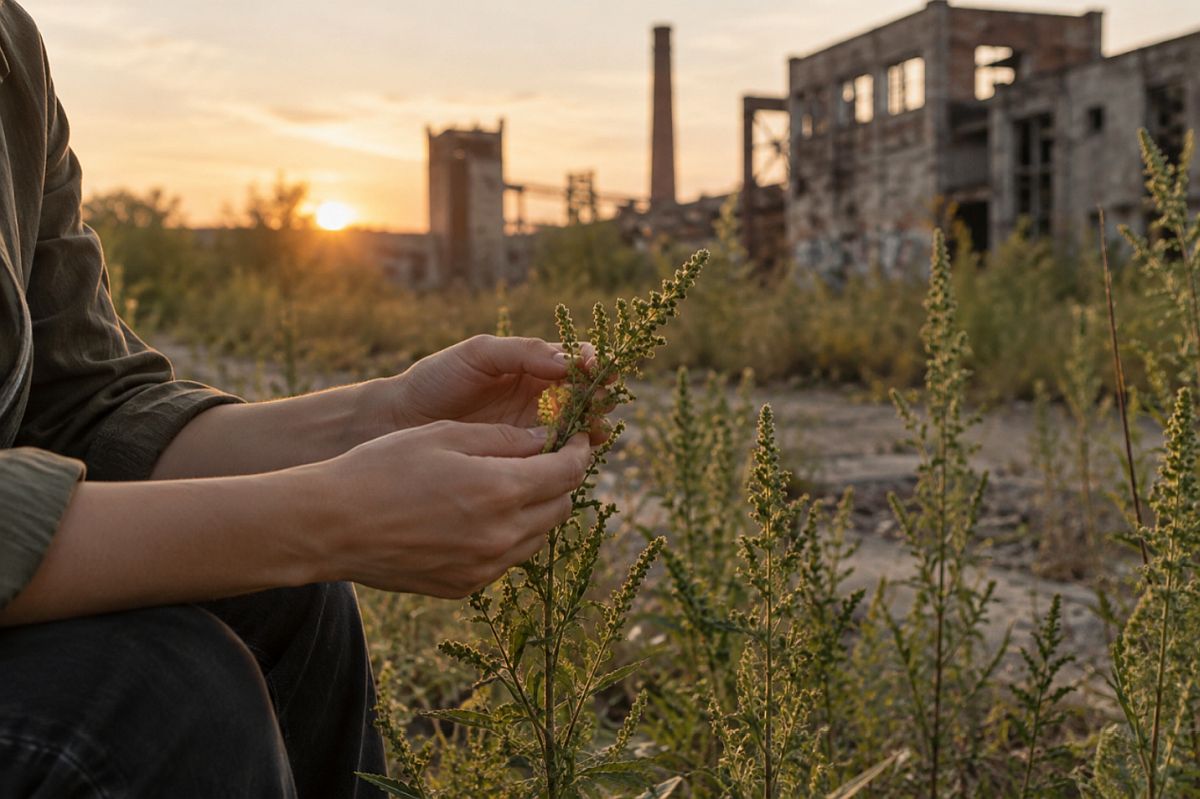
Figure 2. The body as a record of scarcity: from degraded environment to somatic symptom
The image suggests the relationship between environmental degradation (wastelands, ragweed) and bodily vulnerability. (Design: Tihan EJ, 2026)
This image has no documentary value in the strict sense, but functions as a visual metaphor of the anthropological thesis: the individual body bears the traces of the social and ecological conditions in which it lives.
5. PSYCHOANALYTIC MEANINGS: FEAR, INVASION AND THE BODY THAT SPEAKS
5.1. Epistemological delimitations: psychoanalysis as hermeneutics, not as aetiology
Before exploring the psychoanalytic meanings of ragweed allergy, a rigorous epistemological delimitation is necessary. Psychoanalysis is not an experimental science and cannot provide causal explanations of somatic illnesses. It offers, instead, a hermeneutic of subjectivity — a framework for understanding how the patient lives his or her illness, what meanings he or she attributes to it and how his or her suffering is inscribed in his or her life story.
This distinction is essential in order to avoid the pseudo-scientific drifts that have affected debates about psychosomatics. Ragweed allergy is not caused by unconscious psychic conflicts, by childhood traumas or by ‘fear of invasion’. It is a real immunological condition with a well-defined physiological mechanism. However, the way in which the patient lives the illness, the severity of his or her subjective symptoms and the impact on quality of life can be understood through psychoanalytic grids.
In other words, psychoanalysis does not explain why allergy appears, but how it is integrated into the patient’s psychic economy. It does not replace the immunological explanation, but complements it with an interpretation of subjective experience.
5.2. Fear and invasion: two central metaphors
Two metaphors return insistently in the discourse of patients with ragweed allergy: fear and invasion. Patients describe the pollen season as a period of diffuse threat, in which ‘something’ from outside invades their body and disrupts their life. This experience can be interpreted psychoanalytically as a reactualisation of archaic fears linked to the loss of bodily boundaries and to the impossibility of controlling the surrounding environment.
In psychoanalytic terminology, ragweed can be understood as an object of transference — a symbolic substitute for other threats that the patient cannot confront directly. Fear of pollen may be a displacement of a deeper fear: fear of illness, fear of death, fear of losing control over one’s own life. In contexts of precarity, this displacement is amplified: pollen becomes a concrete representative of diffuse threats that the patient cannot name.
This interpretation must not be understood as a ‘psychologisation’ of illness. It does not suggest that the patient ‘invents’ the symptoms or that the allergy is ‘in his or her mind’. On the contrary, it recognises the physiological reality of the illness and explores the way in which somatic suffering is articulated with psychic suffering.
5.3. The body that speaks: somatisation as language
Psychoanalysis has developed a rich tradition of reflection on somatisation — the process by which unconscious psychic conflicts are expressed through bodily symptoms. Although somatisation does not explain the aetiology of allergy, it offers a framework for understanding how the patient lives his or her illness.
In the case of ragweed allergy, the body ‘speaks’ through its symptoms: sneezing, rhinorrhoea, nasal congestion, lacrimation. These symptoms can be interpreted as a form of expression of tensions that the patient cannot verbalise. Sneezing, for example, can be seen as a symbolic ‘expulsion’ of what the patient rejects; lacrimation, as a ‘release’ of retained emotions; nasal congestion, as a defensive ‘closure’ towards an environment perceived as hostile.
These interpretations have no aetiological value, but they have a hermeneutic value: they allow the patient to give meaning to his or her suffering and to integrate it into a coherent narrative. In psychotherapeutic practice, this narrative can be a valuable instrument for exploring how illness intersects with other dimensions of the patient’s life.
5.4. Bodily boundaries and the experience of invasion
A psychoanalytic concept relevant to the understanding of ragweed allergy is that of bodily boundaries. From the earliest stages of development, the child learns to differentiate between the self and the external world, between what is ‘I’ and what is ‘not-I’. This differentiation is essential for the formation of a stable sense of identity and for the development of the capacity to cope with external threats.
In the case of ragweed allergy, bodily boundaries are perceived as being violated by the invading pollen. The patient feels that something from outside penetrates his or her body and disrupts its functioning. This experience can reactualise archaic fears linked to the loss of bodily integrity and to the impossibility of protecting oneself.
In contexts of precarity, this fear is amplified. The patient who lives in a degraded environment, with insalubrious housing and limited access to care, feels that he or she does not have the resources necessary to protect his or her boundaries. He or she is exposed not only to pollen, but also to chronic stress, poor nutrition, lack of rest. All these weaken the capacity to cope and amplify the sensation of invasion.
5.5. Morenian psychodrama: an instrument of unblocking
Psychodrama, developed by Jacob Levy Moreno, offers an experiential framework for exploring and transforming these psychic dynamics. It is based on action, spontaneity, role-play and catharsis, and allows the patient to externalise inner conflicts and reconfigure them in a protected space.
In the context of ragweed allergy, psychodrama can be used to explore three dimensions:
The dimension of invasion and boundaries: The patient is invited to define a symbolic personal space and to experience, through role-play, his or her reactions to the ‘invasion’ of ragweed. Through role reversal, he or she can explore the perspective of the ‘invader’ and discover that the latter is not malevolent, but acts according to its own nature. This discovery can reduce the perception of threat and allow a less defensive relationship with the illness.
The dimension of fear and control: The patient can be invited to play the role of the hyperactive ‘immune system’ and to experience, in the safety of the stage, the sensation of exhaustion and panic. Through the intervention of an ‘inner parent’ or a protective figure, he or she can learn to calm the exaggerated response and to differentiate real from imaginary threat.
The dimension of mourning and acceptance: Ragweed allergy also involves a dimension of mourning — mourning for a summer season lived without fear, for an unrestricted social life, for the feeling of invulnerability. Psychodrama can offer a space for the expression of this mourning and for the acceptance of the limitations imposed by illness.
5.6. The limits of psychoanalytic interpretation
It is essential to recognise the limits of psychoanalytic interpretation in the context of ragweed allergy. Firstly, there are no empirical studies demonstrating the efficacy of psychodrama or other psychoanalytic interventions in the direct treatment of allergy. The specialist literature confirms the lack of evidence for this indication.
Secondly, psychoanalytic interpretation is not universally valid. Not all patients with ragweed allergy live the illness as an invasion or as a loss of control. Some live it as a manageable inconvenience, others as a challenge for which they seek practical solutions. Interpretation must be adapted to the subjectivity of each patient, not imposed as a rigid grid.
Thirdly, psychoanalytic interpretation does not replace medical treatment. It is a complement, not a substitute. The patient suffering from ragweed allergy needs a correct diagnosis, adequate pharmacological treatment and, where possible, immunotherapy. Psychotherapy can help in managing the stress and anxiety associated with the illness, but cannot cure it.
5.7. A psychoanalytic synthesis: the body as text
The synthesis of this section can be formulated as follows: the body of the patient with ragweed allergy is a text that can be read on multiple levels. At the biological level, it records the immunological reaction to pollen. At the psychological level, it expresses anxieties linked to boundaries, control and invasion. At the social level, it bears the traces of the living conditions that make it vulnerable.
Psychoanalysis offers the instruments to read this text without reducing it to a single dimension. It allows an understanding of how somatic suffering is articulated with psychic suffering and with social suffering, and opens the way towards a genuinely integrative therapeutic approach.
This approach is not without risks. It can be misused to ‘psychologise’ a real public health problem or to transfer responsibility from structural factors to the patient. For this reason, epistemological delimitations are essential: psychoanalysis does not explain the aetiology of allergy, but the subjective experience of illness. It does not replace medical treatment, but complements it. It does not absolve society of responsibility, but calls it to recognise the social dimension of suffering.
6. EDUCATIONAL AND PUBLIC HEALTH POLICIES: FROM AWARENESS TO ACTION
6.1. Health literacy as a public policy priority
If ragweed allergy is an embodiment of a degraded environment and an expression of social vulnerability, then public policies cannot be reduced to the distribution of antihistamines. They must address the structural causes of vulnerability and offer the population the instruments necessary to understand and manage the illness.
The first pillar of an effective policy is health literacy. Data show that the Romanian population has a low level of knowledge in the field of health: a recent study shows that less than 1% of vulnerable respondents associate diet with serious illness, and the majority have a ‘satisfactory’ perception of their own health, although they face food insecurity and chronic illness. This cultural blindness to risks is not the result of individual ignorance, but of the lack of health education and of a health system that communicates insufficiently with the population.
Health literacy does not mean merely transmitting information about ragweed and its symptoms. It means developing the capacity to understand the relationship between environment, behaviour and health, to recognise risk factors, to access adequate medical services and to manage chronic illness. It also means developing the capacity to challenge false information and not to fall into the trap of pseudo-scientific explanations.
6.2. School education: an essential vector
School is one of the most effective channels for health education. In Romania, health education is provided in the curriculum, but its implementation is inconsistent and often reduced to occasional lessons or isolated campaigns. An effective educational policy should integrate modules dedicated to environment and health into the school curriculum, with emphasis on:
- Identifying ragweed and understanding its life cycle, so that pupils can recognise the plant and understand why it is problematic.
- Understanding allergic mechanisms at a level accessible to their age, in order to dismantle myths about ‘the liver’ and ‘energetic imbalance’.
- Developing stress-management skills, as part of socio-emotional education, given the role of stress in amplifying allergic symptoms.
- Nutritional education, to counteract the effects of ultra-processed diets on the intestinal barrier and immunity.
These modules must not be separated from the pupils’ reality. They must start from their concrete experience — from the ragweed season they live through, from the foods they consume, from the stress they feel — and offer practical instruments for coping with these challenges.
6.3. Public information campaigns: beyond leaflets
Public information campaigns are the second pillar of educational policies. In Romania, campaigns about ragweed have been sporadic and often limited to leaflets and posters. An effective campaign should be multidimensional and use the channels through which the population actually informs itself: social networks, television, radio, mobile applications.
The content of the campaigns should go beyond simple information about the pollen season. It should include:
- Information about access to treatment: where allergological tests can be done, where immunotherapy can be accessed, what costs are involved and what reimbursements exist.
- Information about protective measures: how exposure to pollen can be reduced, which air filters are effective, how the home can be organised to minimise pollen.
- Information about stress management: simple breathing techniques, recommendations for sleep, advice for coping with seasonal anxiety.
- Information about patient rights: the right to information, the right to informed consent, the right to access medical services.
6.4. Professional training of physicians and psychologists
An effective educational policy is not addressed only to the population, but also to health professionals. Family physicians, allergologists, psychologists and psychotherapists must be prepared to recognise the psychological dimension of allergy and to integrate complementary interventions into their practice.
Professional training should include:
- Notions of psychoneuroimmunology, so that physicians understand how stress influences the immune response and can explain to patients the link between psychological state and allergic symptoms.
- Communication techniques with patients from vulnerable backgrounds, to avoid stigmatisation and to build a therapeutic relationship based on trust.
- Psychological screening instruments, to identify patients with associated anxiety or depression and to direct them towards specialists.
- Knowledge of complementary approaches, to be able to discuss these with patients without unjustifiably promoting them and without aggressively dismissing them.
6.5. Integration of services: a ‘one-stop-shop’ approach
A third pillar of educational policies is the integration of services. At present, the patient with ragweed allergy must navigate between the family physician, allergologist, psychologist, pharmacist and other services, which is difficult and discouraging, especially for people from vulnerable backgrounds. An integrated approach could offer ‘one-stop-shop’ services in which diagnosis, treatment, health education and psychological support are available in a single place.
This approach would reduce access barriers and improve adherence to treatment. It would also allow better monitoring of patients and faster intervention in case of worsening symptoms.
6.6. Environmental policies: reducing exposure at source
Finally, educational policies cannot be separated from environmental policies. Health education is necessary, but insufficient if the environment continues to be degraded.
Combating ragweed, reducing urban pollution and improving air quality are essential complementary measures.
In Romania, legislation on combating ragweed exists, but its implementation is inconsistent. An effective policy should combine:
- Systematic monitoring of infested areas and pollen levels.
- Law enforcement and sanctioning of owners who do not maintain their land.
- Eradication programmes financed from local and central budgets.
- Awareness campaigns that involve the community in reporting and combating ragweed.
These measures are not only technical, but also educational: they convey the message that public health is a collective responsibility and that every citizen has a role in protecting the environment and the health of the community.
6.7. A synthesis of educational policies
The synthesis of this section can be formulated as follows: educational policies for ragweed allergy must be integrated, multidimensional and patient-centred. They must combine school education, public information campaigns, professional training of specialists, integration of services and environmental policies. Without this integrated approach, awareness efforts remain fragmented and insufficient.
In order to operationalise the recommendations presented in this section, we propose a framework structured on four levels of intervention, each with specific objectives, responsible actors and indicators of success.
Table 3. Integrated framework of educational policies for the management of ragweed allergy (Design: Tihan EJ, 2026)
| Level of intervention | Main objective | Responsible actors | Key instruments | Indicators of success |
| Individual | Developing health literacy and self-management skills | The patient, the family, the family physician | Practical guides, symptom diaries, neuro-vagal regulation techniques |
Adherence to treatment; reduction of anticipatory anxiety |
| Community | Raising awareness of risks and involvement in combating ragweed | The town hall, the school, NGOs, pharmacies | Information campaigns, reporting platforms (e.g. HartaAmbroziei.ro), free screening |
Number of reports; participation in campaigns; reduction of infested areas |
| Professional | Training specialists in the integrative approach | Universities, professional colleges, INSP | Modules on psychoneuroimmunology, communication techniques, psychological screening | Number of specialists trained; integrated protocols implemented |
| Governmental | Creating a coherent legislative and financial framework | Ministry of Health, Ministry of Environment, Ministry of Education | Enforced legislation, funding for immunotherapy, school programmes | Reduction of prevalence; increased access to treatment; improvement of air quality |
This framework emphasises that effective educational policies cannot be reduced to a single dimension: they must act simultaneously at the individual, community, professional and governmental levels, in a coordinated approach that recognises the interdependence between education, health and environment.
7. CONCLUSIONS AND ANTHROPOLOGICAL HORIZONS
7.1. Summarising the argument
The article started from a simple observation: ragweed allergy is an IgE-mediated condition with a well-defined immunopathological mechanism, but its severity and impact on patients’ lives cannot be explained exclusively by the concentration of pollen in the air. Psycho-socio-economic factors, the anthropological dimension of illness and the psychoanalytic meanings of the allergic experience complete the picture and allow a deeper understanding of the phenomenon.
We proposed the concept of embodied vulnerability to describe the process by which chronic conditions of material deprivation, stress and environmental degradation become embedded in biology and in the psyche. We showed that this vulnerability acts at three levels — macro-social, micro-biological and deep-psychological — and that it manifests through a spiral of vulnerability that transforms a public health problem into a social and economic problem.
7.2. Anthropological horizons: the body as a record of a world
From an anthropological perspective, ragweed allergy can be understood as a somatic record of a degraded world. The patient’s body is not merely an organism that reacts to pollen, but a social body that bears the traces of living conditions, inequalities and collective suffering. It is a ‘text’ that can be read on multiple levels: biological, psychological, social and cultural.
This perspective opens the way towards a clinical anthropology that integrates medical data with social and cultural data. It allows an understanding of how patients from disadvantaged backgrounds live illness, what coping strategies they develop, what barriers they encounter in accessing treatment and what cultural resources they mobilise to cope with suffering.
7.3. Implications for clinical practice
From this analysis follow several practical implications for clinicians:
Psychological screening: Patients with symptoms disproportionate to the objective level of pollen or with marked anticipatory anxiety should be assessed psychologically and, where appropriate, directed towards psychotherapy.
Integration of neuro-vagal regulation techniques: Diaphragmatic breathing, the cooling manoeuvre and other simple techniques can be taught to patients and integrated into their action plan.
Personalised health education: Patients must be informed not only about pharmacological treatment, but also about the relationship between stress, nutrition, sleep and allergic symptoms.
Integrative approach: The treatment of ragweed allergy cannot be reduced to the prescription of antihistamines. It must include an assessment of the social and psychological conditions that make the patient vulnerable and a comprehensive approach to these.
7.4. Implications for public policies
At the level of public policies, the analysis suggests several directions:
Investment in health education is essential in order to reduce ‘cultural blindness to risks’ and to improve the population’s capacity to manage illness.
Integration of services would reduce access barriers and improve adherence to treatment, especially for people from vulnerable backgrounds.
Environmental policies — combating ragweed, reducing pollution, improving air quality — are complementary to health education and cannot be neglected.
Interdisciplinary research is necessary in order to better understand how social, economic and psychological factors influence the severity of allergy and to develop effective interventions.
7.5. Limits of the research and future directions
The present article has limits that we explicitly acknowledge. Firstly, it is a narrative synthesis, not empirical research. It does not bring new data, but organises existing data into an interpretive framework. Secondly, it could not access all relevant studies, and some of them may contradict or nuance the conclusions presented. Thirdly, the anthropological and psychoanalytic sections are interpretive, not experimentally proven, and must be read as hermeneutic hypotheses subject to debate.
Future research directions include:
- Longitudinal studies correlating socio-economic factors with the severity of ragweed allergy in Romania.
- Pilot studies evaluating the efficacy of psychodrama and other psychotherapeutic interventions in managing stress associated with allergy.
- Qualitative research exploring how patients from disadvantaged backgrounds live illness and what barriers they encounter in accessing treatment.
- Intervention studies evaluating the impact of educational policies on risk awareness and adherence to treatment.
7.6. Final conclusion: the body as text, illness as language
The conclusion of this article can be formulated as follows: ragweed allergy is not merely a reaction to pollen, but an embodiment of a degraded environment and a psychological reaction to unresolved psychological baggage. The patient’s body is a text that can be read on multiple levels — biological, psychological, social and cultural — and illness is a language through which individual suffering is articulated with collective suffering.
This perspective does not contradict the biomedical model, but completes it. It recognises the physiological reality of allergy and, at the same time, recognises that its severity and impact on patients’ lives are shaped by social, economic and psychological factors. It opens the way towards an integrative approach that combines medical treatment, psychological support, health education and environmental policies.
In a world in which social inequalities are deepening and in which the environment continues to degrade, ragweed allergy becomes a symptom of a wider crisis. It calls us to recognise that public health cannot be reduced to biology and that individual suffering is always articulated with social suffering. The response to this crisis cannot be only medical; it must also be social, educational and political.
REFERENCES
- Ader, R., Felten, D., & Cohen, N. (2001). Psychoneuroimmunology (3rd ed.). Academic Press.
- Anastasiu, P., & Negrean, G. (2007). Invadatori vegetali în România. [Invasive plant species in Romania]. Editura Universității din București.
- Bocsan, I. C., Bălănescu, P., & Bălănescu, E. (2019). Characterization of patients with allergic rhinitis to ragweed pollen in two distinct regions of Romania. Medicina (Kaunas), 55(11), 715. https://doi.org/10.3390/medicina55110715
- Bullock, J. M., White, S. M., & Côté, I. M. (2022). Human-mediated dispersal and the rewiring of spatial networks. Trends in Ecology & Evolution, 37(4), 302–315. https://doi.org/10.1016/j.tree.2021.11.008
- Chassaing, B., Koren, O., Goodrich, J. K., Poole, A. C., Srinivasan, S., Ley, R. E., & Gewirtz, A. T. (2015). Dietary emulsifiers impact the mouse gut microbiota promoting colitis and metabolic syndrome. Nature, 519(7541), 92–96. https://doi.org/10.1038/nature14232
- Cryan, J. F., O’Riordan, K. J., Cowan, C. S. M., Sandhu, K. V., Bastiaanssen, T. F. S., Boehme, M., … & Dinan, T. G. (2019). The microbiota-gut-brain axis. Physiological Reviews, 99(4), 1877–2013. https://doi.org/10.1152/physrev.00018.2018
- Csordas, T. J. (1994). Embodiment and experience: The existential ground of culture and self. Cambridge University Press.
- D’Amato, G., Chong-Neto, H. J., Monge Ortega, O. P., Vitale, C., Ansotegui, I., Rosario, N., … & Annesi-Maesano, I. (2023). The effects of climate change and air pollution on pollen allergens and allergic respiratory diseases. Allergy, 78(8), 2317–2339. https://doi.org/10.1111/all.15769
- Dantzer, R., Cohen, S., Russo, S. J., & Miller, G. E. (2020). Neuroimmune interactions: From the brain to the immune system and vice versa. Physiological Reviews, 100(2), 477–517. https://doi.org/10.1152/physrev.00010.2019
- Gould, H. J., & Sutton, B. J. (2008). IgE in allergy and asthma today. Nature Reviews Immunology, 8(3), 205–217. https://doi.org/10.1038/nri2273
- Holgate, S. T., Wenzel, S., Postma, D. S., Weiss, S. T., Renz, H., & Sly, P. D. (2019). Asthma. Nature Reviews Disease Primers, 5(1), 1–22. https://doi.org/10.1038/s41572-019-0062-7
- Institutul Național de Sănătate Publică (INSP). (2023). Raport anual privind monitorizarea polenurilor alergenice în România. [Annual report on the monitoring of allergenic pollens in Romania]. București: INSP.
- Institutul Național de Statistică (INS). (2024). Accesul populației la servicii medicale: Date statistice. [Population access to medical services: Statistical data]. București: INS.
- Kazinczi, G., Béres, I., & Novák, R. (2019). Common ragweed (Ambrosia artemisiifolia L.): Spreading, biology and harmfulness in Europe. Acta Phytopathologica et Entomologica Hungarica, 54(1), 1–20. https://doi.org/10.1556/038.54.2019.005
- Kellermann, P. F. (1992). Focus on psychodrama: The therapeutic aspects of psychodrama. Jessica Kingsley Publishers.
- Kleinman, A. (1988). The illness narratives: Suffering, healing, and the human condition. Basic Books.
- Marshall, G. D., Tull, M. T., & Rogers, M. P. (2021). Stress, immunity, and allergic diseases: A bidirectional communication. Journal of Allergy and Clinical Immunology: In Practice, 9(3), 1059–1069. https://doi.org/10.1016/j.jaip.2020.12.001
- Mihăljan, F., Bălănescu, P., & Bălănescu, E. (2022). Prevalence and risk factors for allergic rhinitis in Romania: A multicenter study. Romanian Journal of Internal Medicine, 60(2), 85–94. https://doi.org/10.2478/rjim-2022-0008
- Moreno, J. L. (1946). Psychodrama (Vol. 1). Beacon House.
- Pavlov, V. A., & Tracey, K. J. (2012). The vagus nerve and the inflammatory reflex—linking immunity and metabolism. Nature Reviews Endocrinology, 8(12), 743–754. https://doi.org/10.1038/nrendo.2012.189
- Pfaar, O., Agache, I., de Blay, F., Bonini, S., Chaker, A. M., Durham, S. R., … & Jutel, M. (2022). Guidelines on allergen immunotherapy: IgE-mediated allergic diseases. Allergy, 77(2), 425–437. https://doi.org/10.1111/all.15086
- Segerstrom, S. C., & Miller, G. E. (2004). Psychological stress and the human immune system: A meta-analytic study of 30 years of inquiry. Psychological Bulletin, 130(4), 601–630. https://doi.org/10.1037/0033-2909.130.4.601
- Smith, M., Jäger, S., Berger, U., Sikoparija, B., Hallsdottir, M., Sauliene, I., … & de Weger, L. (2020). Ragweed (Ambrosia artemisiifolia L.) invasion in Europe: Current distribution and future trends. Weed Research, 60(4), 259–270. https://doi.org/10.1111/wre.12426
- Thayer, J. F., & Sternberg, E. M. (2006). Beyond heart rate variability: Vagal regulation of allostatic systems. Annals of the New York Academy of Sciences, 1088(1), 361–372. https://doi.org/10.1196/annals.1366.014
- Theoharides, T. C., Enakuaa, S., Sismanopoulos, N., Asadi, S., Papadimas, E., Angelidou, A., & Alysandratos, K. D. (2012). Contribution of stress to asthma worsening through mast cell activation. Annals of Allergy, Asthma & Immunology, 109(1), 14–19. https://doi.org/10.1016/j.anai.2012.03.003
- Zhao, F., D’Amato, G., & D’Amato, M. (2023). Diesel exhaust particles modify the structure and function of the major ragweed allergen Amb a 1. Environmental Science & Technology, 57(12), 4821–4830. https://doi.org/10.1021/acs.est.3c00347
Notes
[3] The introduction of ragweed into Europe is attributed to the grain trade of the nineteenth century; the first documented reports come from France (1863), and in Romania the first official mention is recorded at Orșova, in 1910 (Anastasiu & Negrean, 2007; Bullock et al., 2022).
[4] The construct of ’embodied vulnerability’ is developed by the author on the basis of the literature of psychoneuroimmunology and medical anthropology; it does not reproduce a syntagm already established in the specialist literature.
Tihan, Eusebiu Jean; Tihan, Laura Mihaela (2026) Inherent Vulnerability and Ragweed Allergy – A Psychoneuroimmunological and Anthropological Analysis of a Public Health Crisis in Romania, Cunoașterea Științifică, 5:4, DOI: 10.58679/CS20343, https://www.cunoasterea.ro/en/inherent-vulnerability-and-ragweed-allergy/



Leave a Reply